Bringing home a new puppy is exciting, heartwarming… and a little overwhelming. Puppies learn fast, but only when they’re guided with structure, patience, and consistent routines. This guide teaches you the essential steps to train your puppy the right way — while keeping things simple and stress-free.
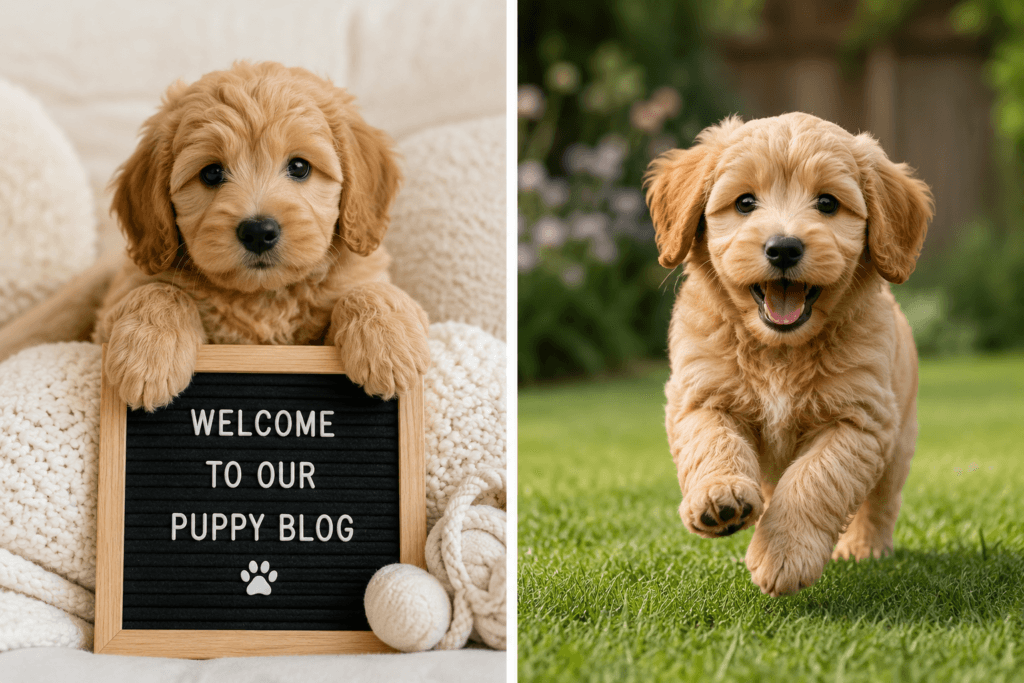
A daily rhythm helps your puppy feel secure and understand what to expect.
A simple routine might look like:
How to Avoid Burnout as a Parent — perfect for building routines as a new puppy parent.
More great ways to build a routine as a puppy parent and not get overwhelmed.
Harvard Health stress-reduction tips
Take your puppy out frequently — especially after sleeping, eating, or playing.
Praise them immediately after they go outside. Timing builds understanding.
If you want guided support, check out our New Puppy Training Starter Guide.
More great resources to help you with your new puppy: AKC potty training basics
Start with the essentials:
Keep sessions short (5 minutes) and upbeat.
RSPCA puppy training overview
Once your vet approves, gradually expose your puppy to:
Early socialization builds confidence and reduces fear later.
American Veterinary Medical Association on socialization
Teething puppies explore with their mouths. Instead of scolding, teach them what they can chew.
Provide chew toys, frozen teething items, and calm redirection.
Stronger Together: Family Bonding Pack: Great for building a strong foundation for your new family member
A crate becomes your puppy’s cozy den when introduced correctly.
It helps with:
Humane Society crate training guide
Use gentle praise, treats, and encouragement. Puppies respond far better to positive training than punishment.
How to reward dogs with positive reinforcement training
Puppies need clear rules. If one day they’re allowed on the couch and the next day they aren’t, they get confused.
Stick to your expectations daily.
Training a puppy can feel like juggling — a structured guide makes everything easier.
Puppy’s First Week Success Guide
Some puppies master commands in days. Others take weeks. What matters most is consistency, reassurance, and celebrating small wins.
Raising a well-behaved puppy isn’t about perfection — it’s about steady guidance, simple routines, and supportive tools. The right training strategy now leads to a confident, happy adult dog later.

Check out this great guide on raising a well behaved pup
Raising a well-behaved dog starts with proper socialization. Early experiences shape how your pup reacts to people, other animals, and new environments—making this one of the most important parts of training.

Leave a comment